[00:00]
Hello, this is the Migraine Heroes podcast, a podcast where we share real stories from
[00:12]
real people suffering and battling with migraine disease.
[00:17]
In this podcast, we seek to provide support, hope, holistic health advocacy, and inspiration
[00:23]
for those who suffer from migraines.
[00:31]
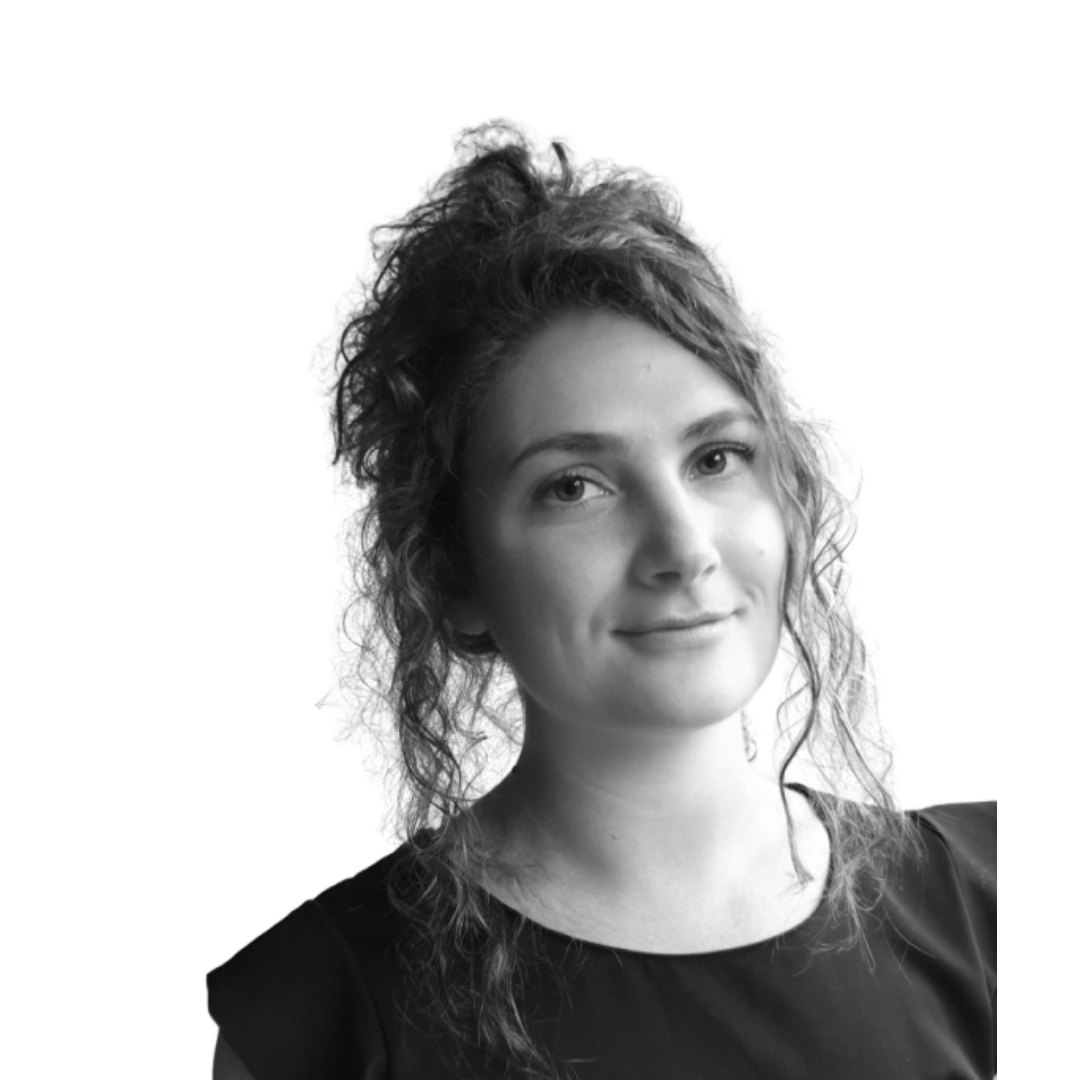
So good morning, this is Diane Ducarme and I'm here with Jessica Hiscox to talk about
[00:37]
her migraine journey.
[00:39]
So thank you so much, Jess, for coming.
[00:41]
I am very, almost emotional to see you.
[00:44]
I'm very happy, deeply grateful that you made it.
[00:49]
I want to start to go right in.
[00:52]
So this is October 11, 2019 already, we're pre-COVID, world pre-COVID, and your sister
[01:02]
She was working with me and we meet.
[01:05]
Can you explain when we meet where your brain is at and where is your life as a result at?
[01:13]
Yeah, so back in 2019, I was pretty lost and quite desperate to find something to help.
[01:26]
I was getting migraines pretty much every day.
[01:31]
The amount of work that I could do was severely impacted.
[01:36]
I was having to shut myself in wardrobes to just get through the day because it was dark
[01:42]
and quiet and no one really got it, which just made the whole thing worse.
[01:52]
And so I couldn't really see a way out.
[01:55]
And so not only was my physical health impacted by my migraines, but my mental health was
[02:02]
really impacted by it too.
[02:05]
And the mental health of, to be honest, everyone around me, because it's really difficult when
[02:09]
someone you love is suffering so much, which is why my sister reached out to you to sort
[02:16]
of introduce us in the hopes that maybe something else I could try.
[02:21]
She was very doubtful when she reached out because what we had worked on had nothing
[02:28]
So she was very doubtful.
[02:30]
My sister is very clinical and scientific and structured, and she's not holistic or
[02:38]
nature-based at all.
[02:41]
So the fact that she suggested it was to me like, okay, I'm really impacting her life
[02:48]
and she's desperate.
[02:49]
So I should try it.
[02:51]
When she was really depressed and I mean, she was really sad.
[02:55]
When I reflect on that conversation, I have known your sister for now since 2015 or so,
[03:02]
and she's indeed this very action-oriented woman.
[03:05]
And when she came, she was really having tears in her eyes, which is so unlike.
[03:13]
And she was handing you off just like that with the vulnerability of her hands and saying,
[03:20]
I have no other choice.
[03:21]
And I had never heard of you.
[03:23]
No offense, but we were not talking about personal life so much at the time.
[03:28]
And she was really handing you over.
[03:30]
And do you remember the title of, she connects us on WhatsApp, and do you remember the title
[03:38]
It was Healing Jess.
[03:39]
And that sort of just encompassed everything in and around it.
[03:43]
It wasn't fixing me.
[03:45]
It wasn't this like, quick, let's make things happen.
[03:48]
It was this nurturing, gentle journey that we've been on.
[03:52]
And thinking back about that title, I think it is really apt.
[03:57]
And so to that, that she leaves right after.
[04:02]
She's like, here you go.
[04:05]
Like, not of interest.
[04:07]
At the time, I was not having any systems.
[04:10]
You know, your name didn't really matter to me.
[04:12]
Your last name, your phone number, your identity.
[04:15]
What I was after was your body, your soul, your brain.
[04:20]
And so every woman was represented by a flower.
[04:23]
And I had these sort of library of flowers in my phone.
[04:26]
And I randomly pick one.
[04:28]
I sometimes was asking women, which one would you like?
[04:30]
And they'd choose.
[04:31]
But I chose for you.
[04:32]
And it turned out it was your favorite.
[04:34]
It was a gerbera, which was always really nice.
[04:36]
And it just brought a smile to my face when I opened up that chat all the time.
[04:39]
And so for me, it was able to help me distinguish in my chats who were with migraines and, you
[04:45]
know, a personal life from professional life.
[04:50]
And so, but your migraines did not.
[04:54]
So they started with an onset of a concussion, those ones.
[05:00]
But you had had a history of that.
[05:02]
Can you go a little bit, go back as long as you remember?
[05:06]
So I've always had headaches and multiple different types of headaches.
[05:13]
I remember talking to you about this and you're like, what?
[05:15]
There's more like the headache.
[05:16]
I'm like, no, no, no, no, it's not.
[05:18]
There's like the front headaches and the back headaches.
[05:20]
But like where it comes in and the intensity and the symptoms of it, because a headache
[05:24]
and a migraine, it's not just the pain in your head, there's so many other things that
[05:30]
The vision and the nausea and the like confusion.
[05:33]
And I've had aches in my head since I was a kid.
[05:39]
I remember being little and bouncing on the tramp with my sister and having to go inside
[05:44]
because my head hurt and I didn't understand it.
[05:47]
No other kids had it.
[05:49]
It was just kind of me.
[05:50]
I didn't really know what it was and it wasn't every day, it was just kind of every now and
[05:56]
And my parents took me to see doctors when I was little because they were frequent enough
[06:02]
that they were really impacting me.
[06:04]
No one could say anything.
[06:07]
And then just sort of...
[06:09]
What would it look like?
[06:10]
You'd go to the doctor and then what?
[06:12]
They'd run some tests, they'd ask me some questions, measure my blood pressure, like
[06:16]
that was going to tell them anything, and you're fine, there's nothing wrong with you.
[06:24]
Over the course of my life, I've had multiple acronyms of tests, ECGs, EEGs, MRIs, CTs,
[06:32]
and every time it hasn't come back with, I don't have a tumor, which is fantastic.
[06:38]
But it was never an answer, it was like structurally everything's in the right place, so you should
[06:42]
be fine, you're fine, nothing's wrong with you, off you go.
[06:48]
And how did that make you feel about you?
[06:50]
How were you receiving that information?
[06:53]
Literally, it was soul destroying, feeling like something's wrong with you, not being
[07:00]
able to live a normal life is hard enough.
[07:05]
You have all these senses, you feel like you're a failure, you feel like you just need to
[07:10]
suck it up and try harder, but not being able to do that.
[07:15]
And then reaching out for support, which is hard to do sometimes, to say I'm not okay,
[07:21]
and reaching out and then just have being rebuffed, being told there's nothing wrong
[07:27]
with you, stop coming and asking us to fix you, or here, take some drugs.
[07:34]
And the drugs were painkillers, antidepressants, sleeping tablets, and being told to take antidepressants
[07:43]
was just gut wrenching, not because I had a problem with needing support in terms of
[07:52]
mental health, but because I was like, the reason I'm upset is because I'm having all
[07:57]
these problems with my health and making me feel better about feeling sick is not fixing
[08:04]
me feeling sick, it's just like helping at the tail end, and if we dealt with this end,
[08:11]
I wouldn't need that end.
[08:13]
And so, I got to the stage where I just didn't trust myself anymore, and I wasn't listening
[08:22]
to my body, and I was trying to just push through stuff, and I'd feel migraines coming
[08:29]
on, and I mean, anyone who's had a migraine knows that the best thing to do when you feel
[08:35]
a migraine coming on is to just stop, and to try and stop it before it starts.
[08:40]
For me, that's going somewhere dark and quiet, and just, to be honest, if I can go to bed,
[08:46]
that's ideal, if not, just sitting down, and sometimes if I'm lucky, if I've caught it
[08:50]
early enough, I can get away with not having a full move of migraine.
[08:55]
But when you're not listening to your body, when you don't feel like you can trust what
[08:59]
it's telling you, then you don't listen to those early cues, and you keep pushing through,
[09:05]
and then you end up a complete mess.
[09:08]
And so, at that time, so you are born and raised in New Zealand.
[09:12]
I was born in Palmy, and I moved to Auckland probably about eight years ago for my job.
[09:22]
And what was your diet like all of these years?
[09:25]
So, my background is ecology, conservation, so I've always been very aware of the environmental
[09:35]
impact of my diet, and I've always tried to eat quite healthy, didn't always succeed
[09:42]
when I was at uni, but I've always tried to be conscious of what I'm eating, and as I've
[09:46]
gotten older, I've been able to get better and better at that.
[09:49]
So, I've had a plant-based diet for the past probably five years now, and try really hard
[09:57]
to eat locally, eat organically, and grow a lot.
[10:02]
And I remember that about you, like I was recommending food, some of which are not produced
[10:07]
here in New Zealand, and that would be a concern for you, and you were telling me, look, I'd
[10:11]
rather consume them locally and organic, and I'm like, I can't give you all of that.
[10:16]
I mean, and I remember you were, as we were working together, you started to grow a number
[10:22]
of the foods I was recommending you to eat, which, you know, still to this day, I find
[10:26]
phenomenal, you know, and I hope over time we're able to do that more.
[10:30]
Yeah, and I think that was really one of the cool things about all this was that it's food.
[10:41]
And I was getting told, here, I have all these really heavy, you know, pharmaceutical-grade
[10:50]
drugs, and I was begging them, begging them, all the specialists, for more, like, holistic
[10:58]
things I could do, and, you know, I started looking for myself.
[11:03]
I started looking into, like, you know, like mindfulness and that sort of meditative space,
[11:10]
because I knew that I was making things worse, like I had my migraines, but I knew that mentally
[11:18]
how I was responding to them was adding, like, fuel to the fire, and so I was trying to think
[11:26]
about what I could do personally to improve my lifestyle and, you know, my well-being.
[11:33]
And I thought, diet-wise, as I said, I'd always tried to be pretty good with it, like,
[11:39]
I love pizza and fries as much as our next person, but I was very conscious about how often I had to
[11:44]
live. Yeah, yeah, so being food never really was something that I thought about as a medicine.
[11:54]
Yeah, and so if I, you know, go back in time, so you're a child, you're suffering these sort of,
[12:02]
you know, aches to your brain, which I quite like it, probably as a child,
[12:06]
you're probably people around you are calling, therefore, a headache,
[12:09]
and that's the naming you remember about. It's a first early onset of migraines.
[12:14]
You go on with your life, they become more frequent, you look for answers, you're not
[12:17]
finding them, and there starts to be this distrust of either the doctor's wrong or I'm
[12:22]
wrong, but we're not understanding things the same way, and that over-medicalization,
[12:26]
which is not good. Do you still have migraines today?
[12:29]
I have, literally, I think back, I'm thinking back to 2019, and after we sort of got through
[12:40]
the kind of the program and stuff like that, I think there's been two instances that I can
[12:45]
remember where I've started getting a migraine, but it hasn't gone into a full-blown migraine.
[12:50]
And so, that has been since probably November 2019, so that's, you know, quite amazing coming
[12:56]
from sort of 30 days of migraines. So, you get hits, you get a concussion,
[13:02]
and over time, I try to explain to women how they can prevent a concussion, but it hits you.
[13:08]
It hits you and puts you in an extreme place of vulnerability.
[13:13]
You can focus, I remember at the time, 10 hours a week, I believe.
[13:17]
I was a mess. I mean, before the concussion, I was working full-time and studying full-time,
[13:24]
and I was still having migraines before the concussion, but I was being able to kind of
[13:34]
deal with them a bit better, and I was quite lucky that I could kind of juggle work and
[13:42]
study enough that I knew when something was happening, and I could kind of get away from it.
[13:48]
Then I hit my head, and everything just collapsed around me.
[13:55]
Do you know that after your case, whenever I see a woman who's about to have a concussion,
[14:00]
I just had one this morning, yesterday night from London, so I'm like, we first work on that,
[14:06]
because if that happens to you, you go backwards two years, and we have to avoid it,
[14:11]
and so that's really the thing I try to address the most.
[14:14]
However, it's not always possible to address initially, but I always think of you in particular
[14:19]
when I give these advice, like, you know, you have to address it now, because otherwise,
[14:25]
you know, the base case, which is terrible that you're on, is going to get even worse.
[14:32]
So, we meet, so your sister puts us in touch, we have this chat, and we meet,
[14:37]
it's probably on a weekend, I think.
[14:40]
Yeah, I mean, I think, yeah, I came to your house, and-
[14:44]
We sat on a sofa, yeah, and just chatted, and I had no idea what to expect.
[14:51]
Ariel hadn't told me much.
[14:53]
When she didn't know anything.
[14:54]
No, no, and I was like, yeah, meet my friend, and I was like, okay, and I remember sitting down,
[15:03]
and you pulled out this kind of piece of paper, and you're like, I'm going to ask you some
[15:06]
questions, and there's a lot of questions, and they're very weird and very random,
[15:11]
but just go with it, and I was like, okay, and you started asking me these questions,
[15:18]
and the more you got through it, the more I was like, yes, yes, have you been spying on me,
[15:25]
like, how do you know, and it was weird, random stuff, and the one that sticks out in my head
[15:32]
was you asked me, do you sigh a lot, and I was like, because literally the week before,
[15:38]
my partner was like, you need to stop doing that.
[15:42]
I'm like, doing what?
[15:42]
He's like, you just go, I had no idea I was doing it.
[15:47]
He's like, you have been doing it so much, and I just, I randomly sigh, and I didn't know,
[15:54]
and there were a whole bunch of questions like that, which felt like totally unconnected,
[15:59]
and I didn't even know they were a thing, and I think that was the first moment where I was like,
[16:04]
okay, like, you're getting the fact that, you know, your whole body is a system,
[16:12]
and you can't treat it in isolation.
[16:14]
You can't just look at my brain and go, okay, you know, you're getting a headache,
[16:20]
so it must be in your head, and it was like, you were asking me questions about different
[16:25]
body parts and things, and I was like, finally, this sounds like something that makes sense.
[16:32]
I remember you being very energized, like, your yeses were like, yes, and I get that too,
[16:38]
like, you know, it can be feeling bloated, having sore breasts, having, you know, different things,
[16:43]
and you were like, this is me, yeah, and that too, and that too, with a lot of color and a lot
[16:49]
I have received lots of advice from men that my questionnaire was too long,
[16:52]
at that time, it was about 30 questions.
[16:53]
Today, it's 80 questions, and I was told you have to bring them down to 10,
[16:58]
and I must say that no woman stops in the middle of the questionnaire.
[17:03]
They want to solve a problem, and they're like, bring it on.
[17:06]
This is really, you know, answering some of my needs and making connections I had not made before.
[17:12]
So, we've got connections.
[17:13]
That was what really resonated with me.
[17:16]
What I was trying to do, and at the time, I didn't know anything about migraines, really.
[17:20]
I had done it for my sister.
[17:22]
I had done it for a few friends, and so, therefore, I thought I could do it,
[17:26]
but I didn't know the amplitude and the existence of such women like you.
[17:30]
I didn't know the life.
[17:32]
So, on the receiving end, you answered all of these questions.
[17:35]
On the other hand, for me, you plummet high the scores, like, you're just super high on
[17:41]
every single dimension.
[17:42]
I mean, not every single, but, like, most dimensions, and so, anyway, we go on in this
[17:48]
conversation, and I feel very humbled by your story, and I feel, oh, my God, like, now I owe
[17:53]
Ariel results, and I don't know if I can pull this one off.
[17:58]
I have done this in the past, but maybe not for cases like this one.
[18:03]
So, anyway, take a deep breath, and we talk, and I make you discover some of these foods.
[18:08]
I think I have, you know, a home.
[18:10]
I mean, I consume my own medicine.
[18:12]
I have, I use all of these foods myself, and so, I take some of those out.
[18:17]
What were your impressions, or?
[18:19]
Well, so, yeah, we sat on the couch, and we kind of back and forth with the questions,
[18:23]
and then, yeah, you took me downstairs into your kitchen and started showing me some of
[18:28]
these foods, and a lot of them were weird, dried things, but it was still food, and I
[18:34]
was just fascinated by it, and I was also really worried about what it was going to
[18:40]
So, I made you one.
[18:41]
Yeah, you made me tea.
[18:43]
You made me red date.
[18:44]
Yeah, red date decoction.
[18:45]
This is one of my favorite, personally.
[18:48]
And I was just sitting there going, oh, gosh, is this going to be really gross or bitter,
[18:51]
and I'm like, I want to have to drink it.
[18:53]
Don't really know what's going on, and I drank it.
[18:55]
I was like, this is delicious, and I just felt so energized afterwards as well, and
[19:01]
I think a lot of that was because I felt so supported and safe, and like, this was something
[19:10]
tangible that I could do, that I could achieve.
[19:15]
Part of my concussion rehab was to do all these exercises and to do them like 10 times
[19:22]
a day, and I really struggled with them, and it was such a chore, and I didn't feel like
[19:29]
I had the mental capacity to add in more, and I was really worried that I was going
[19:35]
to get this big list of to-do's from you, that it was going to be really complicated,
[19:39]
and I was just not going to achieve it.
[19:42]
And then it was food, and there were foods in there that I was like, I can get that from
[19:47]
I can grow that in my garden.
[19:49]
I had to do a bit of research, and then I found a lot of them in bulk bin places, you
[19:53]
know, like the rose petals and stuff like that.
[19:56]
I could get from bulk bin places, which means there's no packaging.
[20:01]
I can tickle my boxes with it.
[20:03]
It just took a bit of tweaking, but it was something that I could do where I could just
[20:08]
make a cup of tea, or I could add it to my dinner, and I didn't have to like try and
[20:14]
exert all this energy, and I didn't feel like, you know when you have exercises to
[20:21]
do, and if you're too tired, and you don't do them, and then you feel really guilty,
[20:24]
and it's like I'm failing at making myself better.
[20:28]
None of that was there.
[20:30]
It was just, you know, how can I add something to my dinner or diversify stuff, and it's
[20:38]
just this like white lifted up.
[20:42]
And so I remember, so that day we talked for about two hours, I think, something like that.
[20:46]
It was a long conversation, at the end of which I find you exhausted, and I'm like,
[20:52]
where do you live, and how far do you need to drive?
[20:56]
And I'm like, okay, so I haven't done insurance forms, like, you know, let alone data security
[21:03]
It was really early days, and I feel like, oh, I felt very irresponsible for your life.
[21:10]
And I'm like, would you like to go and stay in my daughter's bed?
[21:14]
And so that's what you did.
[21:15]
Yeah, I had a nap.
[21:17]
Because I just, yeah, and I really needed it, and I didn't know how much I needed it.
[21:23]
Part of my concussion, and even to be honest, part of when I'm getting migraines, if I'm
[21:27]
not listening to myself, I push through it, and I keep pushing, and I should have stopped,
[21:32]
you know, 20 minutes ago, and I'm this mess.
[21:36]
And when I'm in that situation, I just, I'm hyper-focused on what I'm doing.
[21:45]
I'm not aware of the fact that I'm doing it.
[21:46]
You were really focused, and you were really in the conversation.
[21:49]
At the end of the day, I'm like, gosh, I can feel now her energy is low.
[21:54]
I've consumed a lot of your energy.
[21:56]
I've asked you a lot of questions.
[21:57]
We went into your past, into your story, and I can feel the hope and also the animosity
[22:03]
towards all of that emotion, towards everything that has happened to you.
[22:06]
I've exhausted you.
[22:08]
You've given me your energy, and so I'm like, okay, you should go.
[22:11]
And I thought you would not accept to go and sleep in Manon's bed.
[22:15]
She was at the time six or so, but you did go, and it made me relieved.
[22:19]
I'm like, at least she's sleeping.
[22:20]
She'll wake up whenever she wakes up.
[22:21]
She came and tapped me in, do you remember?
[22:24]
And I'm pretty sure she gave me one of her little titties.
[22:27]
Oh, yeah, did she?
[22:28]
I didn't know that.
[22:29]
That's very, very cute.
[22:32]
You need to know that at that time, at home, I didn't have systems, so every woman was
[22:37]
And so my only way was something that your mom actually gave me as a gift when I departed
[22:43]
my former employer to do this.
[22:44]
She gave me that gift, Diane's dream.
[22:49]
I was really, really pushing away my purpose in life.
[22:52]
I was passionate about this.
[22:53]
I was helping out people on the side.
[22:56]
But I come from really a business background and a family of doctors, very scientific,
[23:02]
So when I told my parents, I want to do this, they're like, oh, so you're going to medical
[23:05]
And I'm like, oh, no, not quite.
[23:07]
I want to use artificial intelligence.
[23:10]
I want to help women at scale together with doctors, but also combining the East and the
[23:15]
West, because I think we're getting a few things quite wrong.
[23:19]
And so I received this from your mom, and I put all of these quotes from Tony Robbins
[23:24]
and these things as thoroughly as possible.
[23:26]
But then you end up on that board that your mom did.
[23:29]
It's a magnetic board, but I couldn't put all of the flowers in the paper.
[23:33]
And you were that flower.
[23:35]
And so my children, they always ask me, oh, how is that one doing?
[23:39]
And how is that one doing?
[23:40]
And how is, you know, and so they know, they still ask me, except now they don't, you know,
[23:45]
they don't know who is who anymore.
[23:48]
But they get their, you know, they make a poem or they ask.
[23:52]
You know, and we talk, we talk about also children of people who have migraines.
[23:56]
Anyway, I didn't know she had given you a cuddle.
[23:59]
She was very, she's very, very sweet.
[24:00]
And she really cares.
[24:01]
This is very cute.
[24:05]
While you sleep, I think I take out my Excel.
[24:08]
She said my printer and I print you a booklet.
[24:11]
So I'm like cutting paper and I'm making a tracker for you.
[24:16]
And something quite interesting happens with that tracker.
[24:18]
So I'm, I'm giving you a list of foods in Excel with names.
[24:23]
And so at that, at that time, we were trying to address two conditions.
[24:26]
We just focused on two to start with.
[24:28]
Two to start with, which is a great number.
[24:30]
And for the body and for the woman, I have found sometimes I try to push too much and
[24:34]
then people feel it's too hard.
[24:36]
And so we're trying to increase your blood volume and we're trying to
[24:40]
boost your liver function, all of your liver system.
[24:44]
And I codify them with B1 to B2, we just found that out.
[24:48]
Which, you know, Charlotte discovered appalled by how, you know.
[24:54]
It was like a low tech.
[24:55]
High paper, high touch.
[24:57]
And so I'm copy pasting like that.
[25:00]
And I'm copy pasting some trackers, like physical trackers of what did you eat that day?
[25:05]
And then, and I put some empty emojis for you to color in for me.
[25:12]
Well, initially, initially it was just smiling.
[25:15]
You wanted me to go sad, happy or like.
[25:20]
And I was like, no, no, no, no.
[25:23]
That's not enough faces.
[25:26]
That does not adequately represent what I go through in a day.
[25:30]
So what do you do with it?
[25:32]
So instead I made like a rainbow spectrum and I colored it in
[25:37]
with the happy and the sad on both ends of the spectrum.
[25:41]
So that I could really actually showcase what it is I was feeling.
[25:46]
Because even during a day I'd have so many highs and lows.
[25:51]
And I could do a better job on that because women, we'd see.
[25:54]
Like I wake up and I'll be like, oh, I'm good.
[25:57]
And then by the end of the day, I'll be like, yeah.
[26:01]
And I was like, how do I capture that?
[26:03]
With like, I remember when I first started, I tried to do like a S face.
[26:07]
So it like started smiley and then went down to sort of like represent that.
[26:11]
And I was like, this isn't working.
[26:12]
So then I colored it.
[26:14]
And so anyway, time goes by a little bit.
[26:17]
I remember that initially you felt a bit tired.
[26:20]
Very hard early days.
[26:22]
So when we first started, you gave me this huge list of foods.
[26:28]
I feel like there's like 20 different ones on there.
[26:30]
And I was like, what am I meant to do with this?
[26:33]
And you were like, just have a couple a day.
[26:35]
And I was like, okay.
[26:36]
And so I tried around and that was where I was trying to find stuff.
[26:40]
And some of them I was like, not doing much.
[26:44]
And then others, I was like, the red dates was a big one.
[26:51]
And so I used to mix the red dates and goji berries and make a tea.
[26:58]
And it just, I was longing for you.
[27:03]
But then it was almost too much.
[27:07]
My skin started breaking out.
[27:10]
And I started almost being like hyperactive.
[27:13]
Because I don't drink caffeine.
[27:16]
So I don't have coffee or anything like that.
[27:19]
But when I have had busy drinks and stuff, I get this sugar high.
[27:26]
And I was getting it from there.
[27:28]
And I was like, you know what?
[27:29]
Yeah, it's too much.
[27:30]
I remember, I didn't remember.
[27:32]
And I tell women, you can go over.
[27:34]
Because sometimes they'll say, oh, I'm on my new list.
[27:37]
But I keep drinking all of the teas of the formula and stuff.
[27:41]
And they don't believe me.
[27:43]
There's such a thing as too much.
[27:46]
And I think, you know, seeing it on you, I'm like, oh, yeah, we've had enough.
[27:51]
You can't go above 100%.
[27:53]
Otherwise, that's also a problem.
[27:55]
And so I'm making these signs.
[27:57]
You know, Anzu, we tried to get you here.
[28:02]
Here's equally not good.
[28:03]
But they sometimes don't believe that's possible.
[28:08]
No food is good in absolute terms.
[28:10]
In certain quantities for a certain time is great.
[28:13]
So initially, very tired, massive energy, too much energy.
[28:17]
Yeah, I remember that.
[28:18]
And the other thing that was fantastic about that was like so often when doctors give you
[28:24]
medication, they're like, you have to stay on it for like six months and work through
[28:29]
all the side effects till we know if it's working or not.
[28:32]
And you're getting all these horrible side effects like nausea and everything like this.
[28:36]
And they're like, no, no, no, no, just just wait.
[28:39]
And you're like, how am I meant to do this for six months?
[28:42]
But with the food, it was like, oh, you know what?
[28:46]
And you're like, cool, cut it out.
[28:47]
And I cut it out and I was fine.
[28:49]
Like it had passed through my digestive system.
[28:51]
And I was the boss.
[28:53]
And it was just it made so much sense to my head.
[28:57]
And the fact that I could just like bounce around and try different things was just so
[29:05]
what worked with my lifestyle and my way of thinking.
[29:09]
And I appreciate you saying that because sometimes I always insist to women and say,
[29:14]
your body is the boss.
[29:16]
If you feel bloated or if you feel you have a migraine after taking anything,
[29:20]
you stop it immediately.
[29:21]
You let me know it's off your list.
[29:23]
But me knowing that it happens to you helps me get even further clarity on your profile.
[29:29]
Right now, it just really rarely happens.
[29:31]
But sometimes women will say recently a woman in Boston and she was saying, no, let me try
[29:36]
I'm like, no, no, they're so harder.
[29:38]
Like your body was here and your body's always right.
[29:41]
It's like your body, if you give it the right nutrition, it knows exactly where to put it.
[29:46]
And if it has had too much of it, it just puts the problem, you know, anyway, out and
[29:52]
tries to communicate it to you.
[29:55]
At that time, I also remember, I don't know if you want to take your phone and look at
[29:59]
that text and what we exchanged on.
[30:01]
But I remember for me, meeting you for the first time, like you were having so much energy
[30:10]
and before you were a lot more quiet.
[30:11]
I was doing all of the questions and money answers.
[30:13]
But, you know, you get what I mean.
[30:15]
And so at that time, you're more bubbly.
[30:17]
Can you, have you?
[30:18]
So, I mean, this was like a month and a half, two months.
[30:25]
And I remember just thanking you.
[30:28]
Like I felt so much more myself.
[30:33]
And I remember saying, you know, I see a light at the end of a tunnel now.
[30:37]
And I actually said, I'm looking forward to 2020, which in hindsight is quite ironic.
[30:43]
But, but, you know, I didn't know that then.
[30:46]
But, you know, I had been in the space of this head injury for like over a year and
[30:52]
couldn't find a way out and was being told by everyone, you know, you're fine, just be
[30:59]
And I didn't know how to do that.
[31:01]
And then all of a sudden, I felt like I had tools in my toolbox again that I could use.
[31:07]
And so, you know, and, and I had so much more mental energy, which meant that I could be
[31:15]
a nice person again, you know, like I felt like I could be my like bubbly, energetic
[31:22]
And you said to me like, you're sparkling again.
[31:26]
And that's something that my dad said to me.
[31:29]
He's like, you know, through that concussion, you lost your sparkle.
[31:34]
And that was really hard to hear.
[31:36]
And he wasn't meaning it in like a negative way, but he was just like, you know, and that
[31:41]
goes back to the fact that when you have these problems, it's not just you, it's, it's everyone
[31:50]
And so I felt like food was something that everyone could do to support me, you know,
[31:56]
like when I was cooking dinner, my partner can eat it too.
[32:02]
You know, like, and granted, some of them are a bit weird and he didn't need to eat
[32:07]
But like, you know, a lot of the mushrooms and a lot of the grains and stuff.
[32:14]
It's just, it's just normal food.
[32:15]
And I just had to make more of a conscious effort to include it in my diet.
[32:20]
Do you want to talk a little bit about some of the foods that you had and you liked, like
[32:24]
some of the happy memories or the ones you felt, this is, this is my, this is the best
[32:30]
So for me, it was teas.
[32:33]
Like I, I don't drink coffee, but I love me some herbal teas.
[32:38]
Do you have your bottle?
[32:40]
Um, and so it has a tea strainer on it and things like that.
[32:45]
And so I'll get it.
[32:47]
So many of the ones on the list, um, were herbs that I could put into a tea.
[32:54]
So yeah, it has its little like.
[33:00]
I remember you finding it online and I thought it was a brilliant idea.
[33:04]
So you can have something always warm with you.
[33:06]
And, and it wasn't in.
[33:08]
Yeah, the plant out and the glass was a big, well, because, and so it's insulated and it's
[33:14]
just so easy and it's such a perfect size.
[33:16]
And I did a bit of research and went out and got a bunch of the plants.
[33:22]
So like chamomile and calendula and mint all grow in my garden now.
[33:28]
And I'm just constantly harvesting them and drying them.
[33:32]
I got a bit carried away when we first started.
[33:34]
I had all these herbs drying around the house, which my partner said I had to rein in a bit
[33:38]
because I got well too excited.
[33:40]
But that to me was something that was just, you know, it was so easy and it became a little
[33:49]
Like I knew I was doing something good for myself, but I didn't need to think.
[33:52]
And I have pre-mixes made up of different tea.
[33:56]
You know, and that's a normal thing for people to do.
[34:00]
And it's nice to feel normal.
[34:02]
I didn't feel like a weirdo having to.
[34:05]
Witches brew all these strange things that sound funny or, you know, I could just have
[34:11]
a cup of peppermint tea.
[34:13]
It's also good to feel like a witch.
[34:15]
No, I can't actually feel that about me, but not so much.
[34:18]
I did quite like that when they're all bubbling away and it was turning all thick.
[34:22]
But again, that when I had no energy, that was hard.
[34:28]
Having to sort of stuff.
[34:30]
I mean, it sounds like it's nothing for everyone else.
[34:34]
You just have to get something out to soak it.
[34:37]
Every little bit of my like neural load.
[34:42]
Was allocated to something else and having to get stuff out to soak in order to was just.
[34:50]
And this was something, yeah, my partner could make me, he could make me a cup of my tea
[34:54]
and I didn't need to worry about anything.
[35:00]
And so you start to have more energy.
[35:03]
And then you start working more again.
[35:06]
It was like this sort of wall broke and I just jumped up massively.
[35:13]
Like through the concussion, it was just such a slow, gradual increase and I'd plateau.
[35:19]
And I literally just went.
[35:22]
And had this big jump and it gave me that extra, almost like buffer of energy that I needed
[35:30]
to then be able to consciously start improving.
[35:34]
And I, I honestly don't know where I would be if I hadn't met you because.
[35:43]
You know, if you, if you hurt your leg or you hurt your, you know, your, um, you can rest it.
[35:49]
There's crutches or you can sit down.
[35:51]
How do you rest your brain?
[35:54]
And so when you're having migraines or headaches and everything you do uses your brain so hard to
[36:05]
rest and then trying to figure out how to still live your life.
[36:11]
You know, you can't do that.
[36:12]
And so being able to just have.
[36:15]
I see tools in my toolbox where, you know, like I'm feeling run down or I'm feeling tired and
[36:21]
I still had those lists and I mean, we started off with 20 and then we went through and we crossed
[36:27]
out the ones that didn't work for me or that I wasn't comfortable buying because I didn't know
[36:32]
the origin of or whatever.
[36:33]
And they got smaller and smaller and smaller.
[36:38]
We tried some things and moved on to the spleen.
[36:43]
As my liver started getting better.
[36:45]
And we just basically condensed it at.
[36:49]
And I didn't even need to look at it anymore.
[36:51]
Like I knew what was on there and what I could use.
[36:55]
And that's been just so easy for me to maintain.
[37:00]
And occasionally when I get, you know, really tired or I'm feeling down, like I'll flick back
[37:07]
through to some of the earlier ones and add that in.
[37:11]
But yeah, I definitely feel like I'm at the stage now where I can take that next step
[37:18]
because I still do have a lot of problems with like from my concussion and with fatigue
[37:24]
and things like that.
[37:28]
And I remember you saying, I'd love to have to do like a run to which we might do like
[37:33]
It's funny on that on that board.
[37:38]
It's falling apart.
[37:39]
Um, I had, uh, it's finished.
[37:41]
And then, um, the last step is not called asking for more because women say, oh, um,
[37:47]
you got rid of this symptom that, that, that, that, that's I don't need to get medication
[37:51]
anymore, but can I have a round around to, uh, you know, like, okay, now I work maybe
[37:57]
40 hours a week or like 50, whatever.
[38:00]
But, you know, I, I feel I can.
[38:02]
And as a woman, we're like a very dynamic, um, um, creators, uh, with fertility cycles,
[38:10]
And so in the process, there's always something nicer to, um, improve.
[38:14]
I find that with myself too, like depending on the season, depending on the children,
[38:20]
the load of work, the stress, the, um, emotions, you know, family stuff.
[38:27]
There's a lot of pressures on women.
[38:31]
And I think it's just.
[38:34]
And so my dream is also like, you know, like currently the, um, I'm like going off a tangent
[38:41]
a little bit, but like the price is a bit high.
[38:43]
And what I'd love is if we can accompany women with a much lower price and more automation,
[38:48]
but as a result, accompany them much longer.
[38:52]
Um, and, and, and from a much earlier age, you know, the year that you've spent, I was
[38:57]
just this morning on the phone with someone in the U S and she was surrounded by her daughter
[39:03]
and her husband and her daughter did the entire call, um, and, uh, signed her mom up.
[39:09]
She's had, um, 30 years of that one year you've had.
[39:14]
And so I also apologize to her for the, uh, much sufferance as a society.
[39:19]
We leave her have that knife and have her daughter have that life and have to see her
[39:24]
mom suffer so much.
[39:27]
So it's still a frustration for me.
[39:29]
I'm very encouraged because now we have a eight year old and I feel okay with an eight
[39:33]
There's this, well, you can just, it's a whole new world of possibilities and a, and a brain,
[39:37]
which at the end of the day for me indicates with a lot of smart attitudes, Hey, we need
[39:49]
Um, so all of that happens.
[39:53]
And so we're now in what's 2020 and 2021 to 20.
[39:58]
Yeah, I'm just going for it.
[40:02]
Um, and, uh, and yeah.
[40:03]
And so you're doing good.
[40:04]
And so at some point, I mean, we still work on a few things and then at some point you're
[40:11]
You're feeling yourself and you're happy.
[40:14]
I remember your partner being super supportive and super involved.
[40:17]
Yeah, no, he was really good throughout the whole thing.
[40:20]
And I mean, he does quite, we're quite similar in our lifestyles in the sense.
[40:26]
So, you know, health is a priority.
[40:29]
And if I needed to take heaps of medication, then, you know, he would support that too.
[40:35]
But I think he got it as well.
[40:37]
And he could see the changes and we'd go shopping and he'd take my list with him when he went
[40:44]
Um, so he can kind of know what he needs to get more of and that kind of stuff.
[40:50]
Um, and it was something that he could get on board with really easily.
[40:56]
And my sister and staff, you know, like it just, I think so often we know that food can
[41:04]
have a negative effect on our body.
[41:06]
You know, we eat too much and we feel sick or, you know, people drink and they get hung
[41:10]
Like we know that our, what we consume is, yeah, triggers us.
[41:15]
And I think we know that we should eat healthy, but we eat healthy to be healthy.
[41:22]
We don't necessarily think of food as medicine.
[41:28]
And that was a really cool thing for me was thinking of it as, you know what, actually
[41:35]
this is serving a direct purpose and not just I'm eating healthy.
[41:42]
And can we talk a minute?
[41:43]
We haven't talked about your medication journey.
[41:45]
Were you medicated as a child?
[41:47]
And then through medication?
[41:49]
So I mean, well, I say no.
[41:52]
I've been on things on and off, but I was always really resistant to it.
[42:00]
I just didn't, I didn't like the way that medications were prescribed because it was
[42:08]
so often just take this.
[42:10]
There was no like plan of to how long you'd be on it for, or what I was meant to be like,
[42:18]
what I'm exactly taking it for.
[42:21]
You know, it just didn't, I just, I just couldn't get my head around it.
[42:24]
It was like a bandaid.
[42:26]
And part of the problem with me resisting medication meant that doctors didn't think
[42:33]
I was sick enough.
[42:35]
Because they're like, oh, well.
[42:37]
You can do without.
[42:38]
If you can do without it, then obviously you're fine.
[42:40]
And so I struggled to get taken seriously because they were like, oh, well, if you're
[42:46]
not desperate for medication, then obviously you're coping.
[42:50]
So you're not even that bad.
[42:52]
And that was just such a horrible attitude.
[42:56]
And so sometimes I actually found myself saying yes to medication almost to get them to believe
[43:04]
me that something was wrong.
[43:06]
And then therefore would you even buy them?
[43:09]
Well, yeah, no, I did.
[43:10]
I mean, I tried them and it didn't do anything.
[43:14]
And then they're like, oh, you just need a stronger dose.
[43:17]
And so there's an incident that also I remember happened with ACC.
[43:22]
Can you comment to that?
[43:23]
And people outside internationally don't know what ACC is.
[43:26]
So maybe giving a bit of context.
[43:27]
So the intent is, I'll just say the intent is not to bad mouth.
[43:31]
I think the intent is there is profound misunderstanding of what you went through
[43:36]
and therefore lack of very good and maybe caring guidance around your profile.
[43:43]
So ACC is an insurance provider for New Zealand.
[43:49]
So they subsidize all our health care.
[43:51]
And it's a fantastic system for accidents.
[43:56]
And so when I had my head injury, I went to hospital.
[44:01]
I was in hospital and that was all funded.
[44:05]
And then I had follow ups with physios and rehab providers and ACC funded that.
[44:13]
But they also have a almost like a graph of, right, this is when you should be back at work.
[44:20]
And this is your recovery time.
[44:22]
And I found it very difficult to fit within that blueprint because a lot of literature
[44:30]
for concussion is based on rugby players.
[44:32]
Because, you know, and sports professionals and figuring out how to get them back to the rugby
[44:39]
I don't play rugby.
[44:42]
It would be terrible if I did.
[44:43]
But, you know, it was not how do we get people back to reading 10 journal articles in a day?
[44:48]
That was how do we get people back to being able to, you know,
[44:53]
do research and understand complex things.
[44:55]
And there was just there wasn't there.
[45:00]
I had a lot of trouble with my vision
[45:01]
and that was giving me headaches.
[45:02]
And they sent me to specialists
[45:06]
who said structurally, you're fine.
[45:08]
And I knew structurally that all my bits and pieces
[45:12]
were in place, but functionally, I wasn't working.
[45:15]
And there was no in between.
[45:19]
It was, you don't have any tumors or brain bleeds
[45:23]
or anything like that.
[45:25]
It has to be psychological.
[45:27]
And they told me that it was psychosomatic
[45:32]
and that all my symptoms were because I had high anxiety.
[45:36]
I'd never been diagnosed with anxiety in my life.
[45:40]
And you don't have that profile for me.
[45:41]
Like some women do and I appreciate that.
[45:44]
That was never your case.
[45:45]
So, I mean, I had a lot of, through all this condition,
[45:50]
I had a lot of, I felt anxious and I was sad.
[45:57]
But there's a big difference between feeling anxious
[46:00]
and having anxiety.
[46:02]
And it was just, it felt like just this shove off
[46:09]
because it was so dismissive.
[46:12]
And they basically said, it's a preexisting condition
[46:17]
because you have anxiety and the anxiety
[46:19]
is what's causing your symptoms.
[46:21]
So it's not an accident.
[46:23]
So we're not gonna fund you anymore.
[46:26]
And they just cut me off.
[46:29]
I didn't know that was the Russian.
[46:32]
And so, I mean, there was no, as I said,
[46:35]
they never diagnosed me with anxiety.
[46:37]
They just had a specialist who read my file
[46:39]
and said, she doesn't have anything physically wrong
[46:43]
And so therefore, it cuts you off, meaning?
[46:44]
So cut me off, meaning,
[46:46]
so they were providing financial support
[46:48]
because I couldn't work full-time.
[46:53]
I would get such headaches and I'd get confused
[46:58]
As I said, I had problems speaking.
[47:00]
My head would be so bad that I would stutter
[47:04]
or lose my words or just not know what I was gonna say.
[47:09]
I was having microtremors.
[47:13]
So I was just shaking uncontrollably.
[47:16]
There were all these things that were part
[47:19]
of the concussion alongside the increase in migraines
[47:24]
and the lack of concentration.
[47:25]
And with the migraines comes the nausea
[47:30]
and the dizziness and just this weight on your head.
[47:35]
And I'm like, how am I meant to?
[47:38]
Yeah, I mean, look, and it's awful and it's not human,
[47:41]
but the problem is there is, when we label migraines,
[47:44]
we also label it one thing.
[47:46]
And women have, you know, I have on my watch
[47:49]
like 50,000 combinations of condition women have.
[47:53]
And so, yes, there is no one medication.
[47:55]
And we label with one word,
[47:57]
many, many different physical problems.
[47:59]
And that was what I just couldn't get my head around was-
[48:04]
And so you were not crazy
[48:05]
and you had these underlying issues.
[48:07]
Yeah, and I think, honestly,
[48:09]
that the biggest difference,
[48:14]
the sort of seeing you made was having someone
[48:16]
be in my corner and go, you are not crazy.
[48:21]
And giving me the space and the trust
[48:26]
to learn how to listen to my body again was just,
[48:31]
honestly, it was life changing.
[48:33]
For me, you were guiding me
[48:35]
without you telling me how you feel.
[48:38]
I cannot communicate with your body.
[48:40]
And then once I can, I can teach you how to.
[48:43]
And then you're in charge.
[48:44]
I find we teach kids, you know,
[48:46]
mathematics and English at school,
[48:48]
and we should teach body, you know?
[48:50]
And when your body has a massive migraine,
[48:54]
it means it needs attention
[48:55]
and you need to figure out what attention it needs.
[48:58]
And I think that was a big part of it
[49:00]
was that listening to me and not telling me you're fine
[49:06]
because, honestly, if you haven't been in that situation,
[49:12]
you don't know how hard it is.
[49:14]
You don't know how hard it is.
[49:15]
You're trying and you're getting told, you know,
[49:20]
it's in your head or it's normal.
[49:22]
And you're like, no way is this normal.
[49:24]
And you feel like,
[49:27]
you almost sometimes feel like you're making it up
[49:29]
or you're being dramatic.
[49:31]
And maybe it's not actually that big a deal.
[49:33]
Maybe this is what everyone goes through.
[49:36]
Yeah, I see what you mean.
[49:38]
Yeah, no, it's not.
[49:39]
Like, and it's such a deaf dialogue.
[49:44]
And you're right in terms of the migraines get labeled
[49:48]
and you get a sticker stuck on you
[49:50]
and you get put in a box.
[49:53]
So like you're having dysfunctional body
[49:56]
when it comes to pain signals.
[49:58]
Yeah, boom, done, labeled.
[50:01]
And we know that there's so much
[50:05]
more to it than that.
[50:08]
So when I called you to ask to come,
[50:10]
neither you or I are very public people.
[50:13]
And so I asked you as a favor,
[50:15]
I said, Jess, can you please come
[50:16]
and we talk about your story?
[50:19]
Because I, you know, the woman in which
[50:23]
I belong to networks of, so I, you know,
[50:25]
the MBA I studied with at Harvard
[50:28]
and the employer I went with at McKinsey people,
[50:32]
if I tell them I found something for migraines,
[50:35]
they take me at face value.
[50:36]
They say, well, if she hadn't,
[50:38]
she wouldn't be doing this,
[50:39]
she'd be doing something else.
[50:40]
If she says she has, there is something really special.
[50:42]
And so they come and they don't hesitate.
[50:45]
They say, I have migraines, what do I need to do?
[50:47]
There's an intimate and immediate trust.
[50:49]
But I have come to realize that in the real world
[50:53]
and additional world outside of those bubbles,
[50:58]
it's really hard to gain trust
[51:01]
because people have seen so many other things
[51:05]
And so if you were having a message to them
[51:10]
or messages to them, what would you see?
[51:15]
So I totally understand being reserved
[51:19]
in and around trying something new.
[51:23]
You don't want it to be a scam.
[51:25]
You don't want to get your hopes up.
[51:27]
You know, you've tried, if you're where I was,
[51:32]
you have tried so much and you just don't know how.
[51:37]
And then it's also this idea of, can I do it?
[51:40]
You don't feel like you have the energy
[51:44]
or the time to commit to a program,
[51:48]
you know, and you're paying for it.
[51:49]
And then it, but what I would say is,
[51:55]
I never felt pressured or rushed
[51:59]
or like I had to do stuff.
[52:02]
So I didn't, you know, because that wasn't what I wanted,
[52:07]
you know, you weren't checking in on me every week.
[52:09]
I didn't have to tell you, oh, I've done this, this time.
[52:13]
I was allowed to explore this at my own pace.
[52:19]
And it was food, it was natural.
[52:25]
I could respond instantly.
[52:29]
So I didn't have to commit to trying something
[52:33]
for six months if I felt like, nah, this isn't for me.
[52:36]
But I never felt like, nah, this wasn't for me.
[52:38]
I always was like, oh, actually, actually.
[52:41]
And it just gradually built.
[52:43]
And I think it's daunting being vulnerable,
[52:48]
it's daunting being vulnerable, you know,
[52:53]
and trying something new.
[52:55]
But you do have a money back guarantee.
[52:59]
You can take it at your own pace.
[53:03]
And a lot of what you do is grounded
[53:06]
in, you know, centuries of knowledge.
[53:13]
Yeah, we haven't talked about that so much,
[53:15]
but it's all grounded in traditional Chinese medicine.
[53:18]
I went to China, I was shocked by how efficient it was on me.
[53:21]
I didn't have migraines,
[53:22]
but I lost half of my blood in a ski accident.
[53:25]
And I also look for answers for myself for a long time.
[53:28]
I was also half-tank.
[53:29]
It didn't manifest in migraines,
[53:31]
but it manifested in other ways.
[53:33]
When I found that, and it was so simple,
[53:35]
I felt like, you know, I felt like jumping up and down
[53:39]
and like, how do I bring that to more people?
[53:41]
And because it's so simple and it's so like,
[53:44]
you have so many side benefits
[53:45]
of all of your body coming together.
[53:49]
And so I want to make something simple,
[53:50]
but I dreamed of it for a long time,
[53:52]
but I held back a really long time, probably eight years.
[53:58]
I find in what you say,
[54:00]
there's also an element of trust yourself.
[54:04]
And don't accept being in pain as normal or as,
[54:08]
you know, some women they'll say,
[54:10]
people tell me to just get on with it.
[54:12]
It comes with the territory.
[54:15]
Come with acceptance.
[54:16]
Start to accept that state as this is your norm.
[54:19]
This is your state.
[54:20]
This is you like, and, you know.
[54:25]
That we don't accept.
[54:26]
Don't accept that.
[54:27]
So much of society is pushing us to be working more
[54:33]
and delivering more and having all these outcomes.
[54:35]
And there's all this pressure to be this like
[54:37]
high functioning member of society.
[54:40]
And along with that comes stress and not sleeping.
[54:43]
And, you know, like some people that tell me,
[54:46]
you know, how are you?
[54:49]
It's like a response and it almost gets normalized.
[54:52]
And I think headaches and migraines and stuff
[54:56]
also get normalized.
[54:57]
And so you don't talk about it or think about it as
[55:03]
actually, you know what?
[55:04]
That's really significant.
[55:06]
And as we talked about earlier,
[55:08]
that there's a difference between headaches and migraines.
[55:11]
There's also a difference in the types of headaches
[55:13]
and the types of migraines.
[55:14]
You know, it's a whole spectrum.
[55:15]
And so, you know, I would say a lot of people get headaches.
[55:20]
You know, as I said, we're on computers so much.
[55:24]
And I think they would go,
[55:26]
oh, but I can deal with my headaches.
[55:28]
Why can't you deal with your headaches?
[55:30]
And then you feel like you should be dealing
[55:33]
with your headaches.
[55:34]
And you know, you've got all these responsibilities
[55:36]
and your kids and your life.
[55:39]
And there's just so much going on that
[55:41]
I think some people feel like they either don't deserve
[55:45]
or can't afford to take the time to be like,
[55:49]
actually, you know what?
[55:58]
the whole program is so easy and so straightforward
[56:04]
and you feel listened to and supported
[56:07]
through the whole thing.
[56:11]
And at the end of it, do you know what?
[56:12]
At the end of it, one, if it doesn't work,
[56:14]
you can get your money back.
[56:15]
Two, you've got some new food groups that you can try.
[56:19]
Like I just, in terms of the negative impact,
[56:25]
you're not buying a whole bunch of lotions and potions
[56:30]
that you're marketing.
[56:31]
You're not subscribing to this huge, big thing.
[56:36]
It's literally, when you break it down,
[56:39]
it's just this supportive network.
[56:41]
And it's just life-changing.
[56:46]
Well, thank you so much.
[56:48]
Thank you for sharing your journey.
[56:49]
Thank you for, yeah, for being you.
[56:52]
I, you know, sometimes when I have a really tough case,
[56:55]
I still doubt myself.
[56:56]
I get to that point where I'm like, oh my God,
[56:58]
why didn't you say I could do this?
[57:00]
What's that story?
[57:03]
And then I think of a woman like you,
[57:05]
and I'm like, okay, let's just power through.
[57:07]
Of course we can do it.
[57:08]
We'll figure it out.
[57:09]
If she guides me in her body,
[57:11]
we can together figure it out.
[57:13]
Yeah, thank you so much.
[57:14]
Oh, it's been fun.
[57:24]
Sharing is caring.
[57:26]
So share this podcast with your loved ones
[57:28]
or whomever it may help.
[57:31]
Follow us on social media to stay updated on our content.
[57:35]
And if you yourself suffer from migraines,
[57:38]
then visit our website, miningtownhealth.com
[57:42]
in order to take our free tests
[57:43]
and be assessed on your migraines.
[57:47]
Stay well, stay healthy, and stay happy.